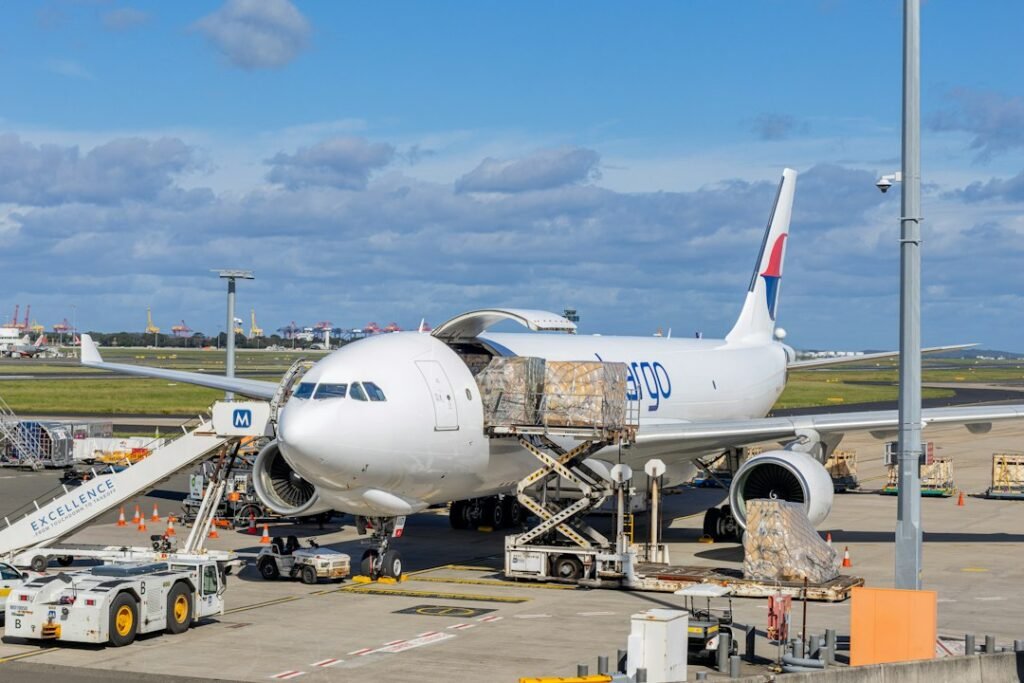
Saudi air cargo disruption in October 2026 has become a new operational risk for shippers moving urgent freight through the region. Freightos reported that multiple Houthi missile attacks disrupted Riyadh airport operations, with interceptions and attacks also affecting other Saudi airports and some foreign-carrier services.
Freightos noted that Saudi Arabia is not a major global transshipment hub on the scale of some neighboring Gulf hubs, which may limit broader air-cargo spillover. But lane-specific shippers still need contingency plans.
What the disruption can affect
| Risk | Operational effect |
|---|---|
| Airport closure/cancellation | Delayed uplift and missed connections |
| Carrier suspension | Reduced service options on affected lanes |
| Rerouting | Longer transit and possible extra handling |
| Capacity tightening | Higher spot pricing for urgent alternatives |
| Security escalation | Potential knock-on effects to regional routing |
Do not assume the entire global air market is disrupted
The immediate operational impact is concentrated on affected Saudi airports and services. Shippers should avoid extrapolating one regional event into a global pricing forecast without evidence.
Instead, identify whether the shipment originates, terminates or connects through an affected airport and check the operating carrier’s current status.
Create a route contingency for urgent cargo
For high-value or production-critical goods, ask the forwarder for at least one alternative airport or carrier routing. Record the additional transit time and total cost before an emergency occurs.
Use our air freight peak-season guide to combine capacity risk with chargeable-weight economics.
Security events can interact with Red Sea risk
Freightos noted that the escalation may increase the likelihood of renewed Red Sea attacks even as some container carriers have increased Red Sea transits. Ocean and air contingency planning should therefore be coordinated for supply chains using the region.
See our Red Sea shipping update for the ocean side of that risk.
Shipper checklist
- Check airline and airport operating status before tendering.
- Ask for an alternate routing and all-in quote.
- Prioritize critical cargo for protected capacity.
- Monitor insurance and security-related conditions.
- Coordinate air and ocean contingency plans.
Frequently asked questions
Is Riyadh airport disrupted in October 2026?
Freightos reported shutdowns and disruption following missile attacks in the cited October 13 update.
Will this raise all global air-freight rates?
Not necessarily. The broader impact depends on duration, route importance and whether disruption spreads.
What should urgent shippers do?
Confirm live flight status and ask the forwarder for alternate airport/carrier options before pickup.
Could this affect ocean freight?
A wider regional escalation could affect Red Sea security, but the outcome is uncertain and should be monitored rather than assumed.
Current market source
See Freightos’s October 13, 2026 market update.
PackToolbox guides are built around stated formulas, practical examples and source checks for changeable carrier, freight and logistics rules. Calculators are planning aids; final requirements should be verified with the relevant carrier or service provider.