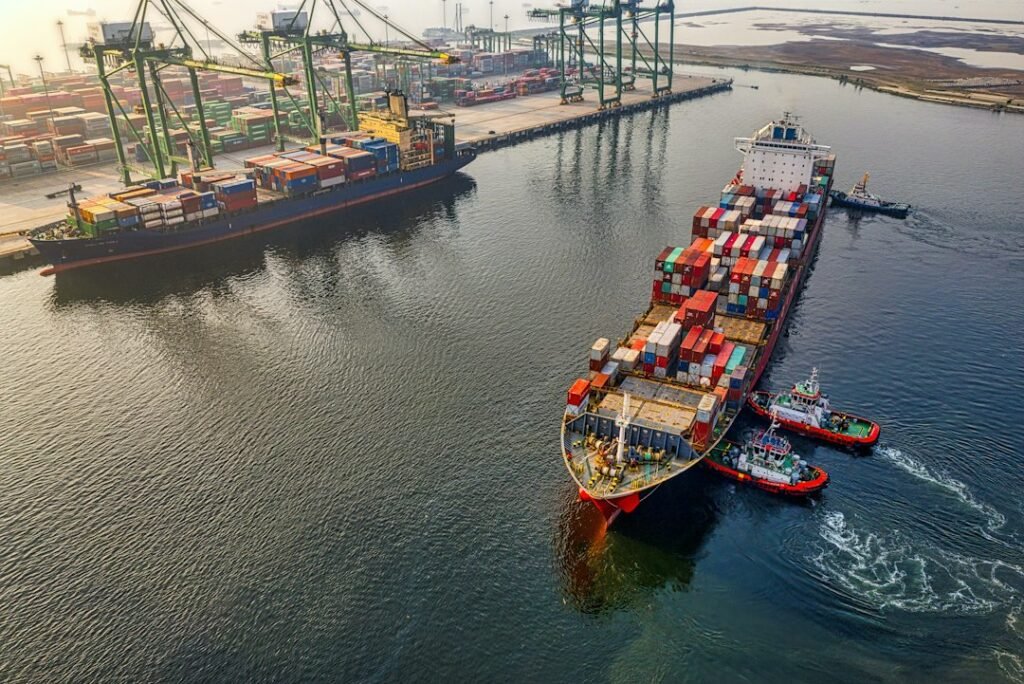
Red Sea shipping in 2026 is changing again. Freightos reported on October 6 that more container services are returning to Red Sea transits, including services from the Premier Alliance. The shift matters because a shorter route can increase effective vessel capacity and reduce transit time compared with diversion around the Cape of Good Hope.
For importers, that does not mean freight rates will instantly collapse. Port congestion, blank sailings, fuel costs, seasonal demand and carrier capacity decisions still influence the final quote.
What changed in October 2026?
| Market signal | Recent Freightos observation | Importer implication |
|---|---|---|
| Red Sea transits | More services are returning | Shorter routings can improve effective capacity. |
| Asia–North Europe | Rates fell during the latest weekly update | Spot pricing has eased from summer highs. |
| Asia–Mediterranean | Rates also moved lower | Additional Red Sea usage can influence capacity. |
| Congestion | Still present at some hubs | Transit reliability remains lane-specific. |
Why Red Sea routing affects freight cost
When vessels divert around southern Africa, voyages use more vessel-days and fuel. Returning to the Red Sea can shorten the rotation and effectively release capacity. More usable capacity tends to reduce some upward pressure on spot rates, although carrier blank sailings can offset part of that effect.
For smaller importers deciding between consolidation and full containers, see our LCL vs FCL break-even guide. Procurement teams planning next year should also review the 2027 ocean freight tender strategy, while the Q4 blank sailings guide tracks a key capacity risk.
Should importers wait for lower rates?
Trying to perfectly time the freight market can create stockout risk. A better approach is to compare the carrying cost of waiting with the potential freight saving. High-margin, fast-moving inventory may justify booking sooner even if spot rates could soften.
Calculate cost at the product level using our freight cost per unit guide so a $500 container-rate change is translated into actual SKU margin.
What to monitor next
- Frequency of Red Sea sailings by major alliances.
- Asia–Europe and Asia–Mediterranean spot-rate trends.
- Blank sailing announcements.
- North European port congestion.
- Fuel and security-related surcharges.
- Transit-time reliability rather than schedule alone.
Impact on LCL shippers
LCL rates include more than the ocean linehaul. Origin charges, destination handling, minimums and chargeable volume can still dominate a small shipment. Use our LCL shipping cost guide before assuming a lower container index will translate directly into the same percentage saving on an LCL quote.
Frequently asked questions
Are container ships returning to the Red Sea in 2026?
Freightos reported in early October that more services are increasing Red Sea transits, though conditions remain dynamic.
Will ocean freight rates fall automatically?
No. Routing is one factor among capacity management, demand, congestion, fuel and carrier pricing decisions.
Does this affect U.S. importers?
Direct effects are strongest on lanes where routing changes, but global vessel capacity and network shifts can influence other trades indirectly.
Should I switch from air to ocean because rates are easing?
Compare total landed cost, inventory lead time and stockout risk rather than freight rate alone.
Current market source
See the October 6 Freightos freight-market update. Market conditions can change quickly, so verify current quotes before booking.
PackToolbox guides are built around stated formulas, practical examples and source checks for changeable carrier, freight and logistics rules. Calculators are planning aids; final requirements should be verified with the relevant carrier or service provider.