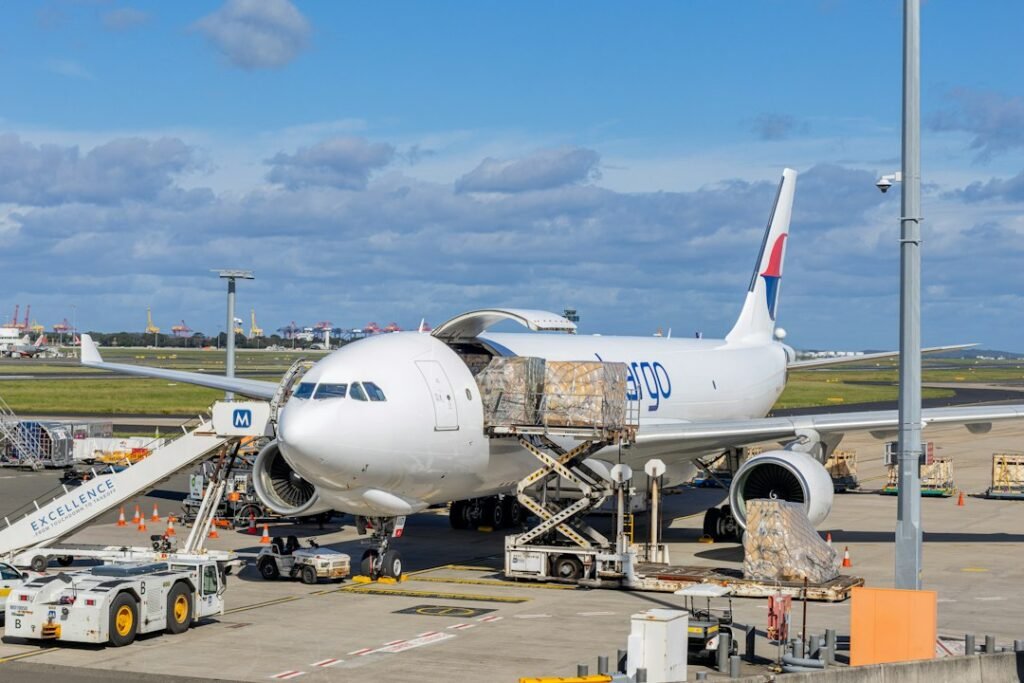
DHL 2027 rate increase planning should start before annual budgets and customer shipping policies are locked. DHL Express announced that U.S. account-holder shipment prices will increase by an average of 5.9% effective January 1, 2027, while a limited number of services and surcharges will also be adjusted.
The 5.9% figure is an average, not a promise that every shipment will cost exactly 5.9% more. A merchant’s actual change depends on origin, destination, service, weight, dimensions, remote-area exposure, demand surcharges and account pricing. That is why the most useful exercise is to reprice a real shipment sample rather than multiply total spend by 1.059.
What DHL has announced for 2027
| Change | Effective date | Planning implication |
|---|---|---|
| Average U.S. shipment price adjustment | Jan. 1, 2027 | DHL says the average adjustment is 5.9%. |
| Selected services and surcharges | Jan. 1, 2027 | Model accessorials separately from transportation. |
| Demand surcharge period | Oct. 1, 2026–Feb. 5, 2027 | Peak costs can overlap the annual price change. |
For merchants shipping internationally, the overlap between the annual adjustment and peak demand pricing matters. The same package may experience a base-rate change and a demand surcharge at the same time. Review our DHL demand surcharge guide before building a January budget.
Why the headline percentage can understate or overstate your increase
Averages hide shipment mix. A business sending lightweight documents to nearby markets has a different cost profile from an ecommerce company exporting bulky cartons to remote destinations. Dimensional weight can also make a package behave like a heavier shipment even when scale weight does not change.
Use the DHL volumetric weight calculator on your top package sizes and compare the result with actual weight. If dimensional weight drives billing on a large share of orders, packaging changes may offset part of the 2027 increase.
How to build a 2027 DHL budget
Export at least four representative weeks of DHL invoices and separate transportation, fuel, demand, remote-area and other accessorial charges. Calculate the effective cost per shipment by lane and package profile. Then apply the new rate structure to the same sample when your account rates are available.
Do not mix every international lane into one average. A lane-level model exposes expensive destinations and helps decide whether to change checkout pricing, free-shipping thresholds or service selection.
Where remote-area and demand charges fit
Remote-area and demand surcharges can materially change the effective increase on specific shipments. PackToolbox’s DHL remote area surcharge guide explains the geographic component, while the shipping cost per order guide helps translate carrier charges into ecommerce unit economics.
The goal is not to predict one universal percentage. It is to understand which orders become less profitable and which operational changes can reduce that exposure.
Practical checklist
- Reprice your 20 highest-volume international shipment profiles.
- Separate base transportation from demand and remote-area surcharges.
- Measure finished cartons and check volumetric weight.
- Review free-shipping thresholds for international orders.
- Compare alternative carriers only on equivalent service and lane assumptions.
Frequently asked questions
When does the DHL 2027 price increase start?
DHL Express says the U.S. adjustment takes effect January 1, 2027.
How much are DHL Express U.S. rates increasing?
DHL announced an average shipment price adjustment of 5.9% for U.S. account holders.
Will every DHL shipment cost 5.9% more?
No. The actual change depends on service, lane, shipment characteristics, surcharges and account pricing.
Should I change carriers immediately?
Not based on the headline alone. Reprice a representative shipment file and compare all-in cost and service performance.
Official references
See DHL’s official 2027 U.S. price-adjustment announcement and current Demand Surcharge page.
PackToolbox guides are built around stated formulas, practical examples and source checks for changeable carrier, freight and logistics rules. Calculators are planning aids; final requirements should be verified with the relevant carrier or service provider.