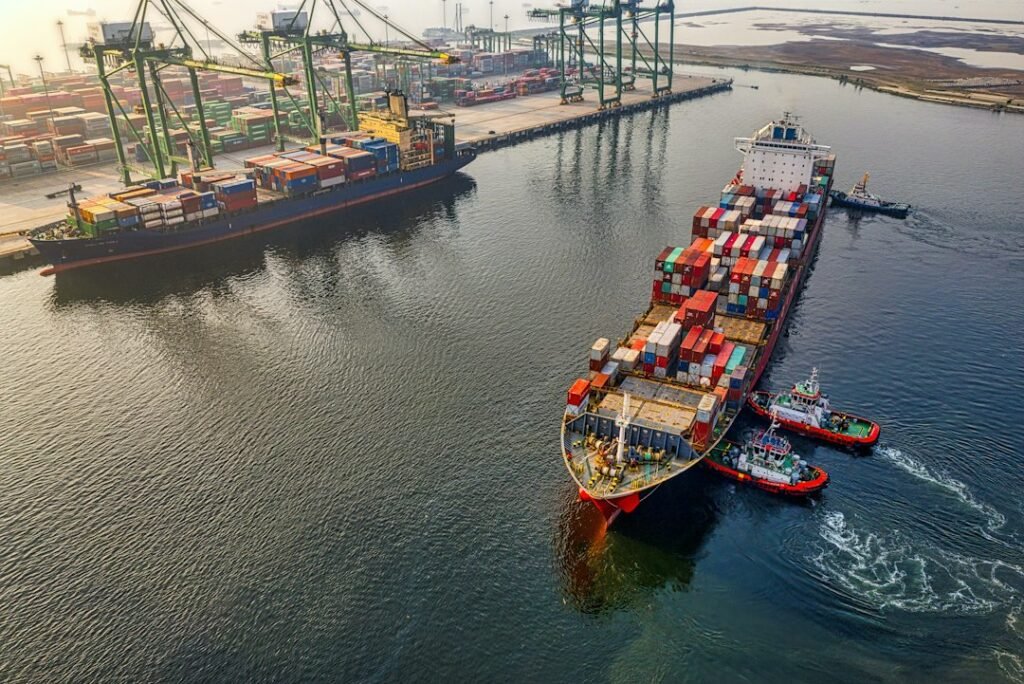
Transpacific container rates in October 2026 are showing early signs of easing after an extended peak season. Freightos reported a 2% weekly decline on Asia–U.S. West Coast rates on October 13, while East Coast pricing held level. Drewry’s October 8 assessment also showed declines from Shanghai to both Los Angeles and New York.
For importers, the question is not whether one index moved by 2% or 3%. The commercial decision is whether the freight market is softening enough to change booking timing, annual-contract strategy or coast selection.
Current transpacific rate signals
| Lane | Recent signal | Importer takeaway |
|---|---|---|
| Asia–U.S. West Coast | Freightos reported a 2% weekly decline | Peak pressure may be beginning to ease. |
| Shanghai–Los Angeles | Drewry reported a 3% weekly decline on Oct. 8 | West Coast spot pricing is off recent highs. |
| Shanghai–New York | Drewry reported a 2% weekly decline on Oct. 8 | East Coast rates also softened in that assessment. |
Why the market may soften further
Freightos noted that peak-season demand has remained unusually persistent but that U.S. import projections point to a November slowdown. Golden Week is also behind the market. If demand eases while available capacity improves, spot rates can face downward pressure.
That does not guarantee a straight-line decline. Blank sailings, port congestion and carrier GRIs can create short-term rebounds.
West Coast vs East Coast should be a landed-cost comparison
Ocean linehaul is only one cost. East Coast routing may reduce inland transportation for some distribution networks, while West Coast routing can shorten ocean transit from Asia but add rail or truck miles.
Use our landed cost guide and freight cost per unit guide to compare gateway scenarios on product economics.
Do not over-time the spot market
A shipper waiting for a cheaper rate can incur stockout or inventory timing costs greater than the possible freight saving. Build a booking window based on required arrival date, then compare quotes within that window.
For smaller shipments, also rerun the LCL vs FCL break-even because falling FCL rates can change the crossover point.
Shipper checklist
- Track both West Coast and East Coast spot indices.
- Compare all-in gateway cost, not linehaul only.
- Monitor November demand and blank sailings.
- Recalculate LCL/FCL break-even on each quote cycle.
- Protect inventory availability before chasing the lowest spot rate.
Frequently asked questions
Are transpacific rates falling in October 2026?
Recent Freightos and Drewry updates show some easing, especially on the West Coast, though the market remains elevated and volatile.
Is Los Angeles cheaper than New York?
The quoted ocean rate can be lower, but total landed cost depends on your final distribution network.
Should I wait to book?
Only if the expected saving outweighs stockout, lead-time and capacity risk.
What could push rates back up?
Blank sailings, GRIs, congestion, fuel changes or renewed demand can reverse short-term declines.
Current market source
See the October 13 Freightos update and October 8 Drewry World Container Index assessment.
PackToolbox guides are built around stated formulas, practical examples and source checks for changeable carrier, freight and logistics rules. Calculators are planning aids; final requirements should be verified with the relevant carrier or service provider.