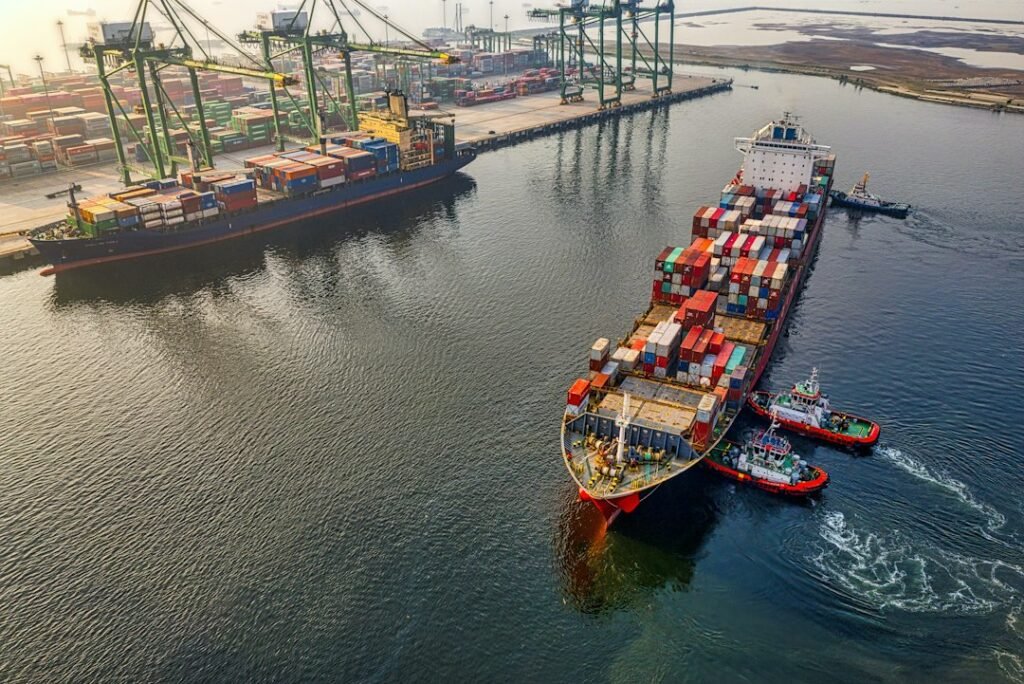
Panama Canal shipping in 2026 remains an important variable for U.S. East Coast importers. Freightos reported in late September that improved rainfall and water levels would allow the canal to restore normal daily Neopanamax transits to ten and increase maximum draft levels in mid-October after earlier restrictions.
More transit capacity can improve routing flexibility, but importers should still plan for future water-related constraints and compare canal routing with alternative gateways.
Why canal capacity affects import cost
| Operational factor | Potential cost effect |
|---|---|
| Daily transit slots | Tighter slots can create schedule pressure and rerouting. |
| Draft limits | Lower allowable draft can reduce vessel utilization. |
| Alternative routing | Different ports create different inland and drayage costs. |
| Transit reliability | Inventory buffers may need to increase when schedules become less predictable. |
East Coast versus West Coast is a landed-cost decision
A lower ocean quote into one coast can be offset by domestic transportation, warehouse location or inventory timing. Model the complete route from supplier to fulfillment node.
Our landed cost guide helps separate international freight from downstream fulfillment, while the drayage charges guide covers port-to-warehouse costs.
What importers should monitor
- Canal transit-slot availability.
- Maximum draft announcements.
- Carrier service changes.
- East Coast and West Coast spot rates.
- Port congestion at alternative gateways.
- Rail and truck cost from port to inventory location.
How to build a routing scenario
Create at least two options for critical products: the normal canal-dependent route and an alternative gateway. Compare freight, drayage, rail/truck, lead time and inventory carrying cost. A route that is $500 cheaper at sea may be more expensive after domestic distribution.
What about LCL shipments?
LCL importers can still be affected by network changes because consolidators choose sailing and gateway options. Use our LCL shipping cost guide to separate chargeable volume from route-specific fees.
Frequently asked questions
Are Panama Canal restrictions easing in October 2026?
Recent Freightos reporting said improved conditions were allowing a restoration of normal Neopanamax daily transits and higher draft limits in mid-October.
Can restrictions return?
Yes. Weather and water conditions can change, so routing plans should retain alternatives.
Does canal capacity directly set freight rates?
No. It influences network capacity and routing, while demand, carrier strategy, fuel and port conditions also matter.
What should U.S. importers compare?
Compare complete landed cost and lead time across gateway options rather than ocean price alone.
Current market source
See the Freightos September 30 update for the cited canal conditions.
PackToolbox guides are built around stated formulas, practical examples and source checks for changeable carrier, freight and logistics rules. Calculators are planning aids; final requirements should be verified with the relevant carrier or service provider.