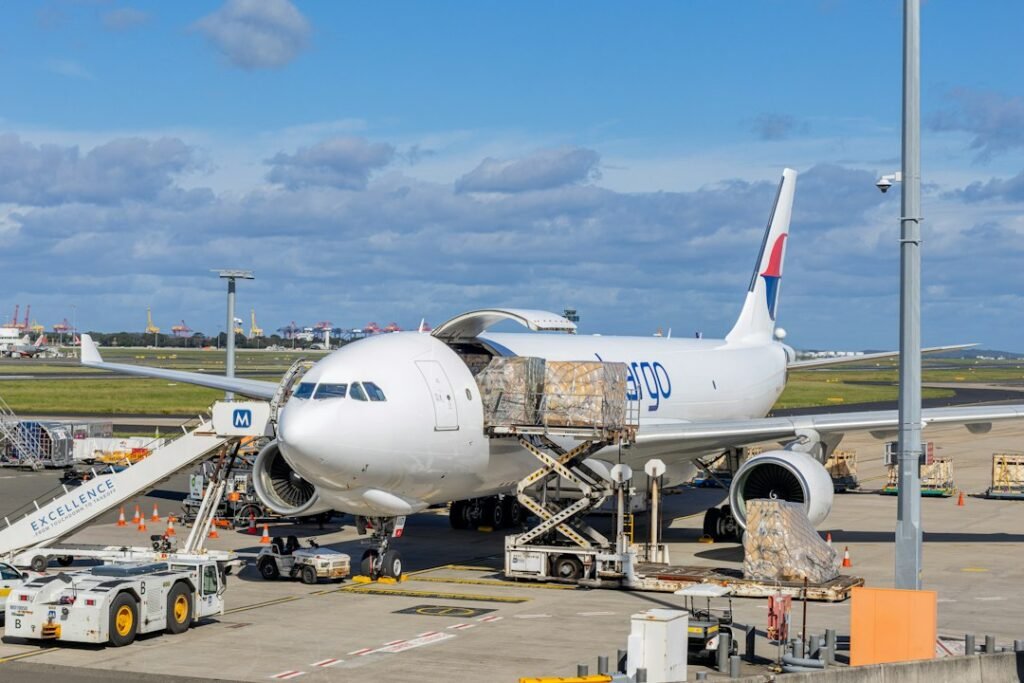
DHL shipping budget 2027 should combine the carrier’s new base-rate environment with the surcharges that actually appear on your invoices. DHL has announced a 5.9% average U.S. shipment price adjustment for January 1, 2027, while its current demand-surcharge period runs through February 5.
A budget based only on the 5.9% headline can miss the orders most likely to lose margin. Build the forecast from historical packages, lanes and accessorials so the model reflects the business rather than the rate announcement.
The five inputs your budget needs
| Input | What to capture |
|---|---|
| Base transportation | Account rate by service, lane and weight band |
| Demand surcharge | Published origin/destination charge during the active period |
| Remote area | Orders delivered to qualifying remote locations |
| Fuel and optional services | Recurring percentage or service charges |
| Billing weight | Higher applicable actual or volumetric weight under the service rule |
Build three scenarios, not one
Create a base case using normal shipment mix, a peak case with demand-surcharge exposure, and a packaging-improvement case using lower cube on selected SKUs. This shows management which costs are contractual and which costs operations can influence.
For the packaging case, use the DHL volumetric weight calculator and the packaging right-sizing guide.
Measure remote-area concentration
Remote-area charges are not distributed evenly across customers. Identify countries, postal areas or customer segments responsible for most of the exposure. If a small number of low-margin orders generate a disproportionate cost, selective pricing or service changes may be justified.
PackToolbox’s DHL remote area surcharge guide is a useful companion to this analysis.
Translate the carrier budget into order economics
The final question is whether the shipping increase changes contribution margin. Divide expected total shipping spend by shipped orders, then analyze high-cost lanes separately. Our shipping cost per order formula provides a consistent framework.
This approach also makes carrier comparisons fairer: every alternative is measured against the same shipment sample and business outcome.
Practical checklist
- Export historical shipment-level data.
- Separate transportation from every surcharge category.
- Calculate actual and volumetric weight for major cartons.
- Model normal, peak and improved-packaging scenarios.
- Update the budget again when final 2027 account pricing is available.
Frequently asked questions
What is the announced DHL U.S. price increase for 2027?
DHL Express announced an average 5.9% shipment price adjustment effective January 1, 2027.
Should demand surcharge be included in January?
Yes when the shipment is subject to it; the current published demand period continues through February 5, 2027.
How do I budget remote-area charges?
Use historical destination data and the applicable DHL remote-area rules rather than applying one average to every shipment.
What is the best KPI?
Effective shipping cost per order and by lane are practical metrics for ecommerce budgeting.
Official references
Use DHL’s 2027 price announcement and Demand Surcharge schedule for current published assumptions.
PackToolbox guides are built around stated formulas, practical examples and source checks for changeable carrier, freight and logistics rules. Calculators are planning aids; final requirements should be verified with the relevant carrier or service provider.