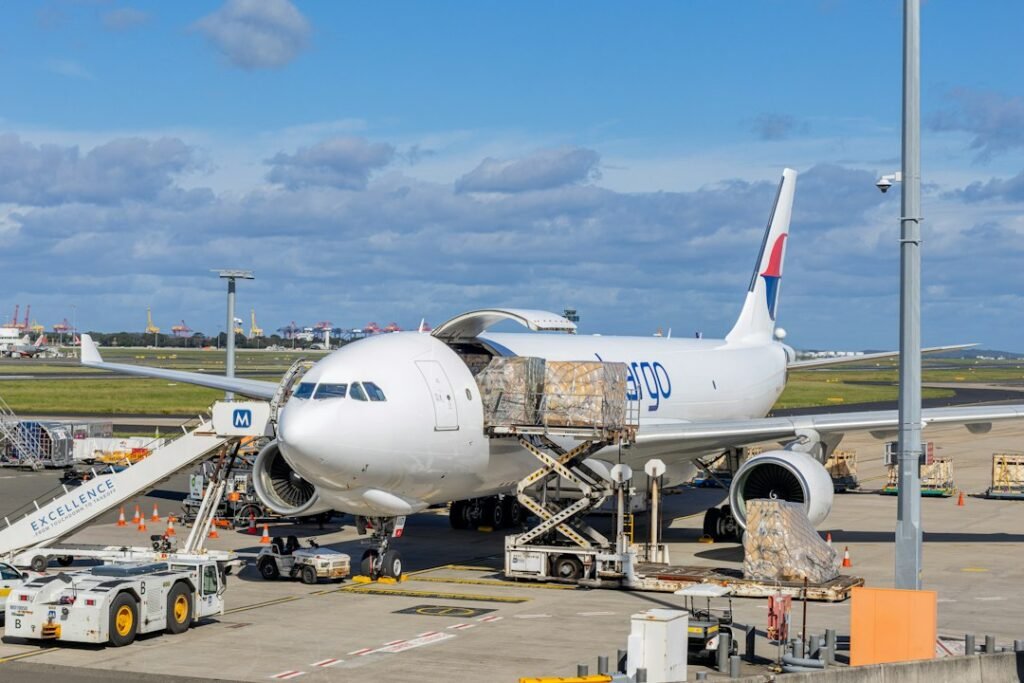
DHL vs FedEx 2027 rates look similar at headline level: both carriers announced average U.S. package or shipment increases of 5.9%. But the commercial impact is not identical because effective dates, service mix, surcharges and account pricing differ.
DHL Express says its U.S. adjustment starts January 1, 2027. FedEx says its package standard list rates increase on average 5.9% from January 4, 2027, with additional fee changes on January 18 and selected U.S. zone reclassification changes on February 1.
DHL vs FedEx 2027 at a glance
| Factor | DHL Express | FedEx |
|---|---|---|
| Headline average increase | 5.9% | 5.9% |
| Main effective date | Jan. 1, 2027 | Jan. 4, 2027 |
| Other announced changes | Selected services and surcharges | Fees, DAS/PAS lists, document fees, residential changes, selected zones |
| Best comparison method | Reprice the same historical shipments under each account. | |
Why identical percentages do not create identical costs
Carrier averages are calculated across broad rate structures. Your invoice depends on the shipments you actually tender. International express, domestic parcel, remote-area exposure and residential delivery can produce different effective increases.
Use our DHL vs FedEx vs UPS international shipping comparison for service-selection context, then update the rate assumptions for 2027.
Compare billing weight before rate cards
For bulky ecommerce shipments, dimensional weight can matter more than the headline GRI. Compare package dimensions and actual weight before comparing carrier quotes. The DHL volumetric weight calculator and FedEx dimensional-weight guide help normalize that comparison.
Use the same carton, destination and service commitment for both carriers. A cheaper quote is not equivalent if transit or delivery requirements differ.
Negotiation strategy for 2027
Instead of asking only for a larger headline discount, identify the lanes and accessorials responsible for most spend. A targeted improvement to minimum charges, remote-area treatment or service pricing can be more valuable than an additional percentage point on an underused service.
Multi-carrier shippers should also model concentration risk. Keeping a viable second carrier can improve resilience and provide better procurement data.
Practical checklist
- Export a common shipment sample for both carriers.
- Normalize dimensions, weight, destination and service level.
- Separate base transport from surcharges.
- Compare minimums and high-frequency accessorials.
- Use effective cost per delivered order as the decision metric.
Frequently asked questions
Are DHL and FedEx both increasing rates 5.9% in 2027?
Both announced average U.S. adjustments of 5.9%, but the underlying rate structures and services differ.
Which increase starts first?
DHL’s announced adjustment starts January 1, while FedEx’s main package-rate change starts January 4.
Does 5.9% mean my invoice rises exactly 5.9%?
No. Shipment mix, negotiated rates, minimums and surcharges determine the actual outcome.
Which carrier is cheaper in 2027?
There is no universal winner; reprice your real shipment file with equivalent services.
Official references
See DHL’s 2027 price announcement and FedEx’s 2027 rate changes.
PackToolbox guides are built around stated formulas, practical examples and source checks for changeable carrier, freight and logistics rules. Calculators are planning aids; final requirements should be verified with the relevant carrier or service provider.